-
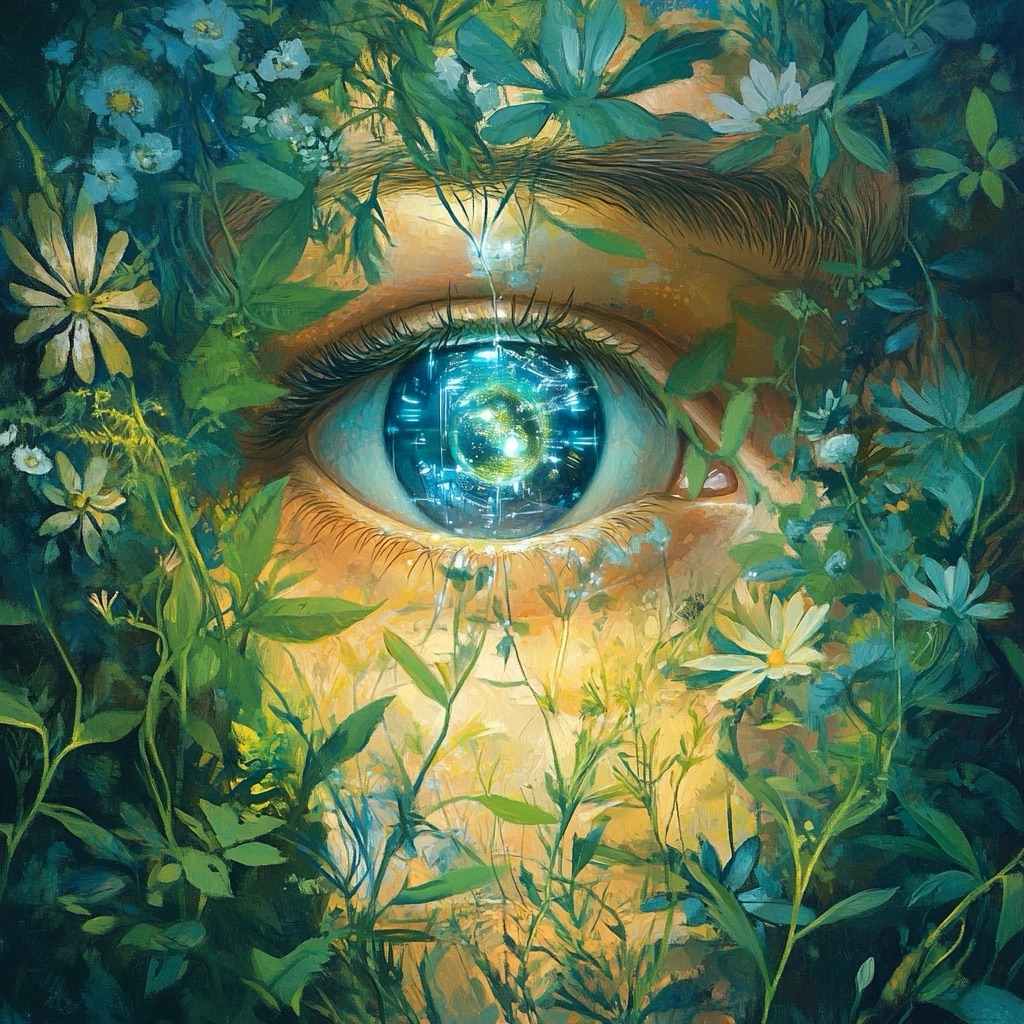
The Mirror of Technology: Indigenous Encounters with Film and the Journey Back to Authenticity
When indigenous peoples first encountered film cameras in the early 20th century, these moments represented far more than mere technological introductions—they were profound cultural collisions that fundamentally altered self-perception and identity. Anthropologist Sol Worth and linguist John Adair’s landmark 1966 “Navajo Film Project” revealed how the Navajo approached filmmaking with storytelling patterns that reflected circular…
-

Medical Meditation
In today’s increasingly complex healthcare landscape, a promising new approach merges the ancient wisdom of Raja Yoga with modern medical practice to create a structured meditation program designed specifically for clinical settings. Table of Contents Modern Expressions of Raja Yoga Medical Meditation Clinical Integration Points (CPT, CME, EHR) Experiential Structure for Patients Training Framework for…
-

The Acceleration of Technology with Ray Kurzweil
Today offers a deep dive into the impact of technology on our lives and how we can harness it with a sense of reverence and shared purpose. Ray Kurzweil’s inventions have profoundly impacted technology, healthcare, accessibility, and the arts. His development of the first print-to-speech reading machine and text-to-speech synthesizers revolutionized accessibility for the visually…
-
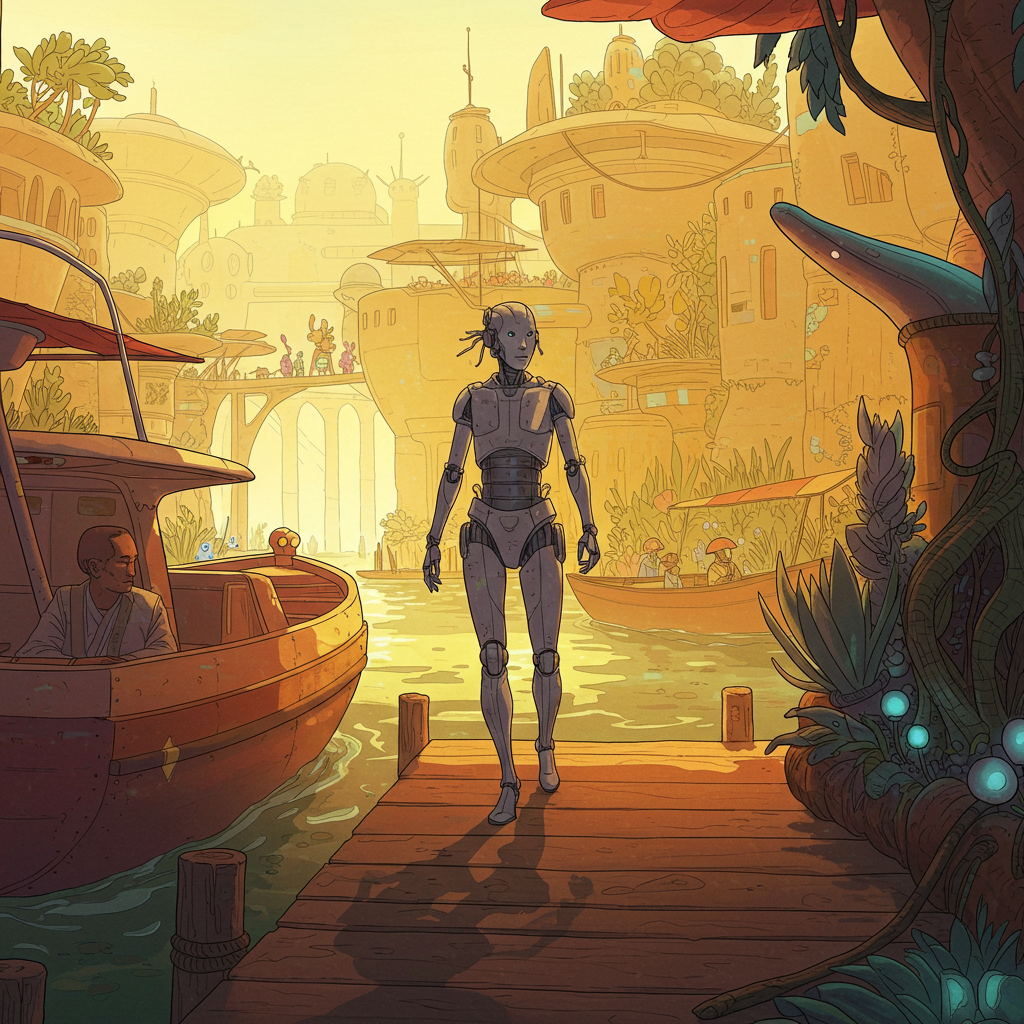
AI, The Biggest Immigration Event in History
Today offers a deep dive into the cultural and psychological implications of AI and how we choose to use it, and why this is a defining moment for humanity. With 3 billion cellphones equipped with AI this marks “the world’s biggest immigration event” of a non-biological superintelligence entering into everyone’s homes. What’s next? Yuval Noah…
-
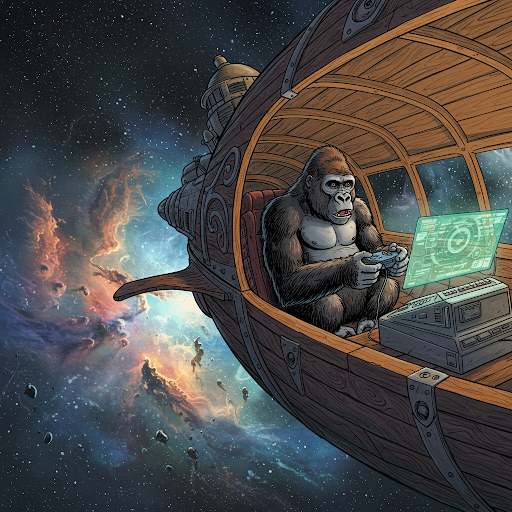
Quantum Dreams: When Silicon Meets Imagination – A Scientific Odyssey
At the heart of computing’s next revolution lies Willow, a quantum chip that challenges everything we understand about computation. But what makes quantum computing so fundamentally different from traditional computing? Traditional computers use bits—binary units that exist in one of two states, 0 or 1. Imagine a coin that can only be heads or tails.…